


ZOE Wellness Center

770-910-7798

Schedule Online

LAST CHANCE: Buy 1 Program, Get 1 FREE (Ends Soon!) Book Now!

Author name: Lauren Dollar

Creative Content Strategist

Lauren Dollar
Body

Sweet Dreams Start in the Kitchen

Sweet Dreams Start in the Kitchen Are you tossing and turning at night, struggling to fall asleep despite feeling exhausted? You’re not alone. Quality sleep is a crucial yet often overlooked component of any successful wellness or weight loss journey. What many don’t realize is that the foods we eat can significantly impact our sleep quality!  Today, let’s explore some delicious and nutritious foods that can naturally help you drift off to dreamland while supporting your overall wellness goals. Why Sleep Matters for Weight Loss and Wellness  Before diving into our sleepy foods list, let’s quickly remind ourselves why sleep is so important: Sleep regulates hunger hormones (ghrelin and leptin) Poor sleep is linked to increased cravings and appetite Adequate sleep helps maintain energy for physical activity Your body repairs and recovers during deep sleep Sleep supports healthy metabolism  When you’re well rested, you’re better equipped to make mindful food choices and maintain the energy needed for your wellness routine! Foods That Promote Rest  Tart Cherries and Cherry Juice  Tart cherries are one of nature’s few natural sources of melatonin, the hormone that regulates your sleep wake cycle. Studies have shown that drinking tart cherry juice before bed can increase sleep duration and quality.  Try this: Enjoy a small glass of unsweetened tart cherry juice about an hour before bedtime, or add fresh cherries to your evening yogurt.    Kiwi Fruit  This fuzzy little fruit is packed with sleep promoting nutrients including serotonin, antioxidants, and folate. Research suggests eating two kiwis an hour before bed may help you fall asleep faster and sleep more soundly.  Wellness tip: Kiwis are also low in calories and high in fiber, making them a perfect evening snack for those mindful of their weight.  Complex Carbohydrates  Whole grains like oats, barley, and whole wheat contain tryptophan, which your body converts to serotonin and then to melatonin. A small serving of complex carbs can help you feel sleepy.  Smart choice: Try a small bowl of oatmeal with cinnamon (no sugar) as a warming evening snack that won’t disrupt your weight management goals.  Turkey and Other Lean Proteins  Turkey gets its reputation as a sleep inducer thanks to its tryptophan content. Other lean proteins like chicken, fish, and eggs contain this amino acid too.  Portion control: Keep evening protein portions modest. We encourage our members to use their food scale but if you do not have one try measuring about the size of your palm. This will help to support sleep without overwhelming your digestive system. Nuts: Especially Almonds, Walnuts, and Pistachios  Nuts contain helpful minerals like magnesium and zinc that help your body relax and produce melatonin. Walnuts, in particular, are one of the few food sources that naturally contain melatonin.  Perfect pairing: A small handful of nuts (about 1 oz) makes an ideal pre bedtime snack.  Herbal Teas  Chamomile, valerian root, lavender, and passionflower teas have all been shown to improve sleep quality by reducing stress and promoting relaxation.  Nighttime ritual: Replace evening screen time with a calming cup of herbal tea to signal to your body that it’s time to wind down.  Magnesium Rich Foods  Leafy greens, avocados, pumpkin seeds, and bananas are all excellent sources of magnesium – a mineral that helps muscles relax and may improve insomnia symptoms.  Try this combo: Half a banana with a teaspoon of almond butter provides a perfect balance of magnesium, potassium, and tryptophan for sleep support.  Foods to Avoid Before Bed  Just as some foods can help you sleep, others can interfere with your rest:  Caffeine – Coffee, tea, chocolate, and some medications Alcohol – May help you fall asleep but disrupts REM sleep High fat meals – Can cause discomfort and indigestion Spicy foods – May trigger heartburn and discomfort Excessive liquids – Can lead to disruptive bathroom trips  Creating Your Sleepy Time Meal Plan  For best results, try these approaches:  Timing matters – Eat sleep promoting foods 1-2 hours before bedtime Keep it light – Heavy meals before bed can disrupt sleep  Consistency is key – Regular meal and sleep schedules help set your body’s internal clock Pair foods strategically – Combine foods containing tryptophan with small amounts of complex carbs for optimal effect  While food plays an important role in sleep quality, remember that the best results come when you combine sleep promoting foods with other healthy sleep habits: Maintain a regular sleep schedule Create a relaxing bedtime routine Keep your bedroom cool, dark, and quiet Limit screen time before bed Practice stress-reduction techniques like meditation or gentle yoga Our Favorite Sleepy Time Snack Recipes  Calming Cherry Smoothie  Blend 1/2 cup tart cherry juice, 1/2 banana, a handful of spinach, and a few ice cubes for a sleep-promoting treat.  Bedtime Oat Bites  Mix 1/2 cup rolled oats, 1 tbsp almond butter, 1 tsp honey, and a sprinkle of cinnamon. Form into small balls and enjoy one or two before bed.  Sleepy Toast  Top a slice of whole grain toast with 1/2 mashed avocado, a sprinkle of pumpkin seeds, and a light dusting of sea salt. ——————– At Zoe Wellness Center, we believe that wellness encompasses all aspects of your life; from what you eat during the day to how you sleep at night. By incorporating these sleep promoting foods into your evening routine, you’re supporting both your weight management goals and your overall well being.  Remember, quality sleep isn’t a luxury, it’s a necessity for your health journey. Sweet dreams! Lauren Dollar Creative Content Strategist

Body

From Burnout to Balance: Unlocking the Power of Emotional Well-Being

From Burnout to Balance: Unlocking the Power of Emotional Well-Being The human experience is unique to each individual, and while we all encounter the ups and downs of life, there are times when we find ourselves irritable, burnt out, and overwhelmed. This often occurs because we become so engrossed in our day-to-day responsibilities that we might neglect a crucial aspect of our well-being: our emotional health. Physical health usually receives more attention than emotional health, leading to a potential oversight of our emotional well-being. This is primarily due to the body exhibiting more measurable symptoms, especially when things are amiss, in comparison to emotional health. Additionally, physical health is more widely understood in society and has more immediate, tangible consequences on our overall well-being. Our mind and body are closely connected, and what many people don’t realize is how an imbalance in caring for one can cause direct consequences in the other.This is why it is vital to equally prioritize the care of your emotional and physical health every day. But, as stated, so many of us only focus on the physical aspect, and therefore may overlook how our emotional health could be causing the physical issues at hand. Let’s delve into why emotional self-care is indispensable and explore actionable strategies that can transform your journey towards holistic well-being.  Emotional Health: How do you know when it is suffering? Recognizing you may be dealing with emotional struggles is the first step in finding the best solution for you. Here are some signs to help you identify if you might be emotionally unwell due to neglecting your emotional health: Persistent Negative or Irritable Mood: If you consistently feel down, anxious, or overwhelmed, it could be a sign that your emotional well-being needs attention. You might find it challenging to experience positive emotions and maintain a balanced mood. Physical Symptoms: Emotional stress can manifest as physical symptoms, including headaches, muscle tension, digestive issues, and a weakened immune system. Difficulty Concentrating: Emotional distress can make it hard to concentrate, make decisions, or focus on tasks. You might find yourself feeling mentally scattered or forgetful. Possibly, you may be experiencing brain fog due to stress or other related lifestyle factors. Fatigue and Low Energy: Emotional unwellness can contribute to feelings of fatigue and low energy, making it difficult to engage in daily activities. It can also contribute to changes in sleeping patterns such as insomnia, oversleeping, or disrupted sleep. Changes in Appetite: Emotional distress can lead to changes in appetite, such as overeating or loss of appetite Heightened Stress Levels: If you’re constantly under stress and finding it challenging to manage daily stressors, it’s a sign that your emotional health might be compromised. If you recognize several of these signs in yourself, it’s important to take proactive steps to address your emotional well-being. Prioritize self-care, seek support from friends, family, or professionals, and consider engaging in activities that promote emotional healing and balance. Remember that seeking help is a sign of strength, and taking care of your emotional health is essential for overall well-being. Emotional Health: What steps can I take to improve my mental health? Making lifestyle adjustments isn’t always easy, but by integrating these self-care strategies into your routine, you can yield transformative results: Balanced Diet: Focus on a well-rounded diet rich in fruits, vegetables, whole grains, lean proteins, and healthy fats. Limit processed foods, sugary snacks, and excessive salt. Stay hydrated by drinking plenty of water. Regular Exercise: Engage in regular physical activity, incorporating both cardiovascular exercises (like walking, jogging, or swimming) and strength training (using weights or bodyweight exercises) to improve your endurance, strength, and flexibility. Quality Sleep: Prioritize sleep by establishing a consistent sleep schedule, creating a comfortable sleep environment, and practicing relaxation techniques before bed. Stress Management: Practice stress-reduction techniques such as deep breathing, meditation, yoga, or mindfulness. Engaging in hobbies and activities you enjoy can also help reduce stress. Social Connections: Maintain and nurture relationships with friends and family. Social interactions contribute to emotional well-being and can help combat feelings of loneliness. Hygiene and Preventive Care: Maintain good hygiene practices and adhere to preventive care recommendations, such as vaccinations and regular dental check-ups. Engaging in Activities that Ignite Joy: Engage in activities that bring joy and laughter. Laughter has been shown to have positive effects on overall health. Remember, improving your overall health is a gradual process. Start with small, achievable changes and build on them over time. It’s important to listen to your body, make adjustments as needed, and seek professional guidance when necessary. Your well-being is a journey, and each step you take brings you closer to a healthier and happier life. Emotional Health: How can I get the support I need? Supporting your emotional health requires a combination of strategies and practical tools. Here are some that you can use to support your wellness journey: Journaling: Writing down your thoughts and feelings can help you process emotions, gain insights, and track patterns. A simple notebook or digital journaling apps can be useful. Support Groups: Connecting with others who share similar experiences can provide a sense of belonging and understanding. Look for local support groups or online communities related to your specific needs. Therapy and Counseling: Professional therapists provide a safe space to discuss your emotions and challenges. You can find therapists in your area or use online platforms like BetterHelp and Talkspace. Wellness and Lifestyle Experts: Trained experts in the health and wellness field may have programs that can combine both physical and mental health into a lifestyle plan for your specific needs. Professional Help: If you’re struggling with severe emotional challenges, seeking help from mental health professionals, such as psychologists, psychiatrists, or counselors, is recommended. Remember that emotional well-being is unique to each individual, and different tools may work better for you at different times. It’s important to create a personalized toolkit that fits your needs and preferences. Sponsored Consider checking ZOE Wellness out for help on your journey to emotional well-being! They are able to assess your current state of health through technology and consultation to create a wellness

Body

The Power of pH: How Stomach Acid Fuels Your Gut Health

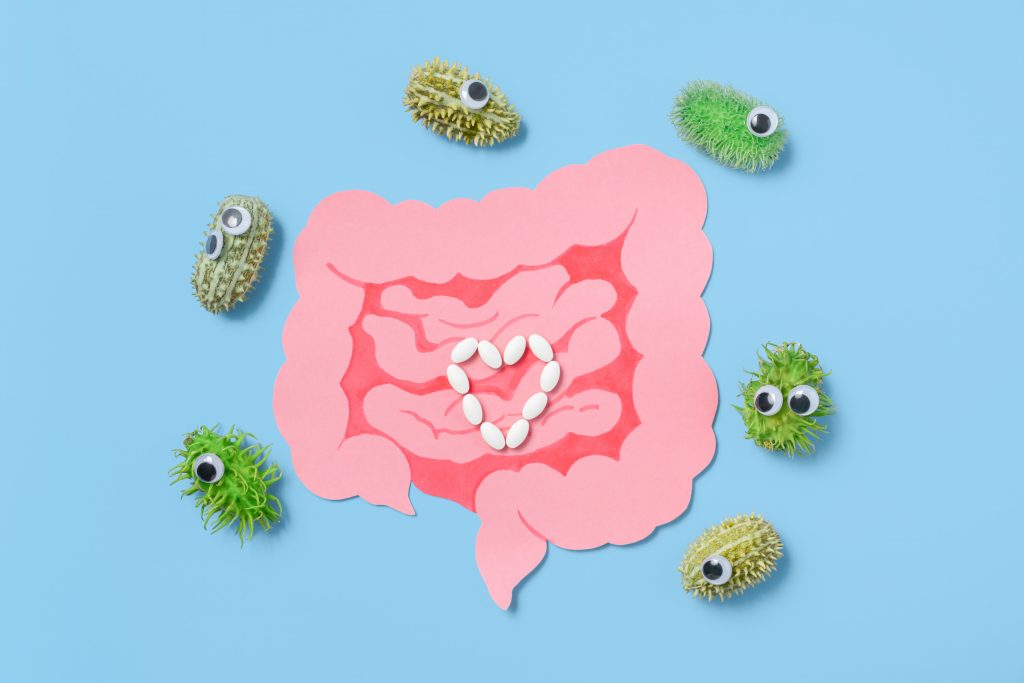
The Power of pH: How Stomach Acid Fuels Your Gut Health When it comes to health, stomach acidity probably isn’t the first thing that comes to mind. But what if I told you this unsung hero of your digestive system does more than just break down food? From helping your body absorb vital nutrients to acting as a powerful shield against harmful invaders, stomach acid plays a critical role in keeping you healthy. Let’s dive into why maintaining the right balance of acidity is essential and how it might be the missing piece to unlocking better digestion, stronger immunity, and overall well being.  https://www.youtube.com/watch?v=e0y-UTUguY4   The Role of Stomach Acidity Most people don’t attribute issues like anxiety, hormonal imbalances, or digestive troubles to stomach acidity. However, stomach acids play a vital role beyond breaking down food. Here’s why they’re essential: Nutrient Absorption: Stomach acids facilitate the absorption of important nutrients, ensuring that your cells receive what they need to function optimally. Regulating Digestive Enzymes: Proper acidity levels help regulate enzymes that manage various digestive processes. Defense Against Pathogens: Stomach acids are one of your body’s primary defenses against harmful bacteria, pathogens, allergens, and toxins. By killing or deactivating these invaders, they prevent infections. The Importance of pH Levels The pH level is a measure of acidity or basicity of a liquid. For stomach acid, a normal pH level ranges from 1.5 to 3.5. To put this into perspective, battery acid has a pH level of 1. This acidity is crucial because: It aids in extracting nutrients from the food you consume. It ensures your stomach operates efficiently by neutralizing pathogens that could lead to illness. Factors That Affect Stomach Acidity Several factors can alter your stomach’s acidity, leading to either low or high acidity levels: Causes of Low Acidity Prolonged Use of Antacids: These can reduce stomach acid over time. Significant Stress: Chronic stress can impair digestion and lower acidity. Eating Too Quickly: This can lead to improper digestion and lower acid levels. Food Sensitivities and High Sugar Intake: Both can disrupt normal acidity levels. Symptoms of Low Acidity Bloating Iron deficiencies Headaches Increased susceptibility to bacterial and yeast overgrowth Causes of High Acidity Overconsumption of Coffee and Alcohol: These can increase stomach acid production. Processed Foods and Carbonated Sodas: These items can disrupt acid balance. Smoking and Certain Medications: Both can contribute to elevated acidity levels. Symptoms of High Acidity Heartburn immediately after eating Burping Nausea and vomiting Sensation of food being stuck in the throat Maintaining Proper Stomach Acidity To ensure your stomach acidity remains at a healthy level, consider the following tips: Monitor your intake of acidic foods and beverages. Manage stress through relaxation techniques and regular exercise. Eat mindfully, taking time to chew and savor your food. Be aware of any food sensitivities and adjust your diet accordingly. Understanding and maintaining proper stomach acidity is crucial for your overall health. By keeping these factors in mind, you can support your digestive system and enhance your body’s natural defenses. Monitor performance in real time from desktop or mobile https://vertex-luxeron.org/ Vertex Luxeron  Stay informed and proactive in managing your health! Lauren Dollar Creative Content Strategist

Scroll to Top